

The Art Of The Auction
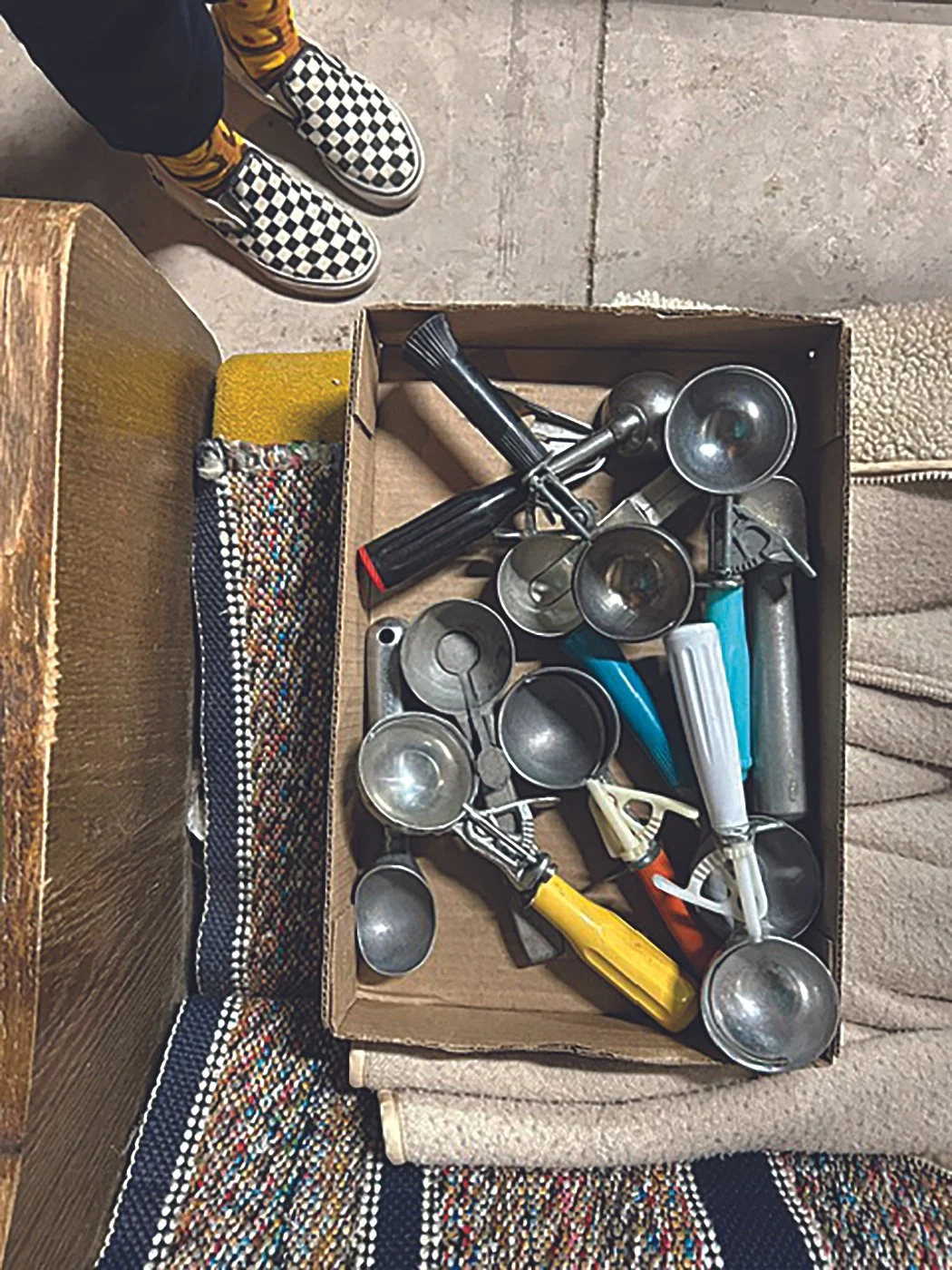
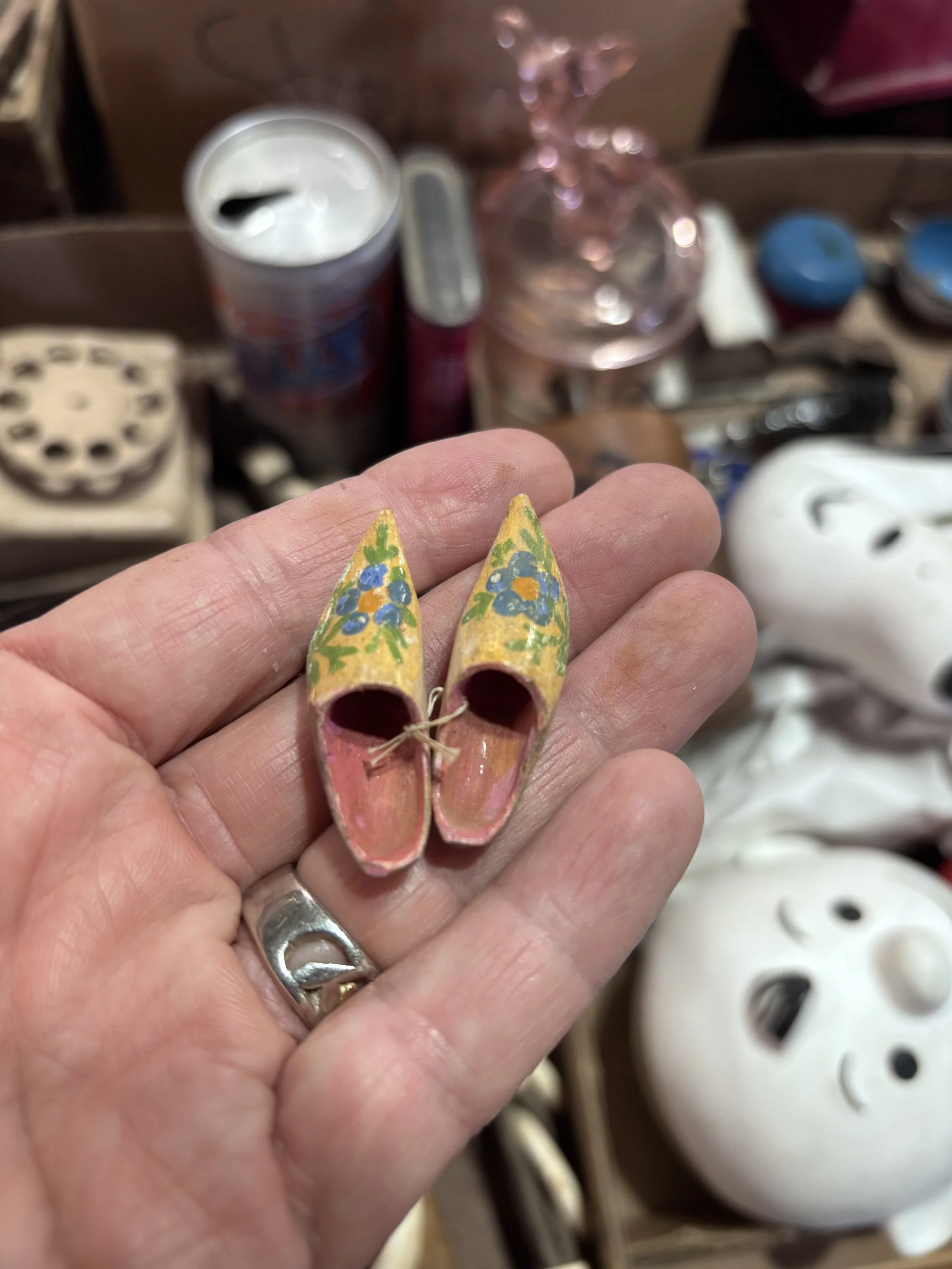
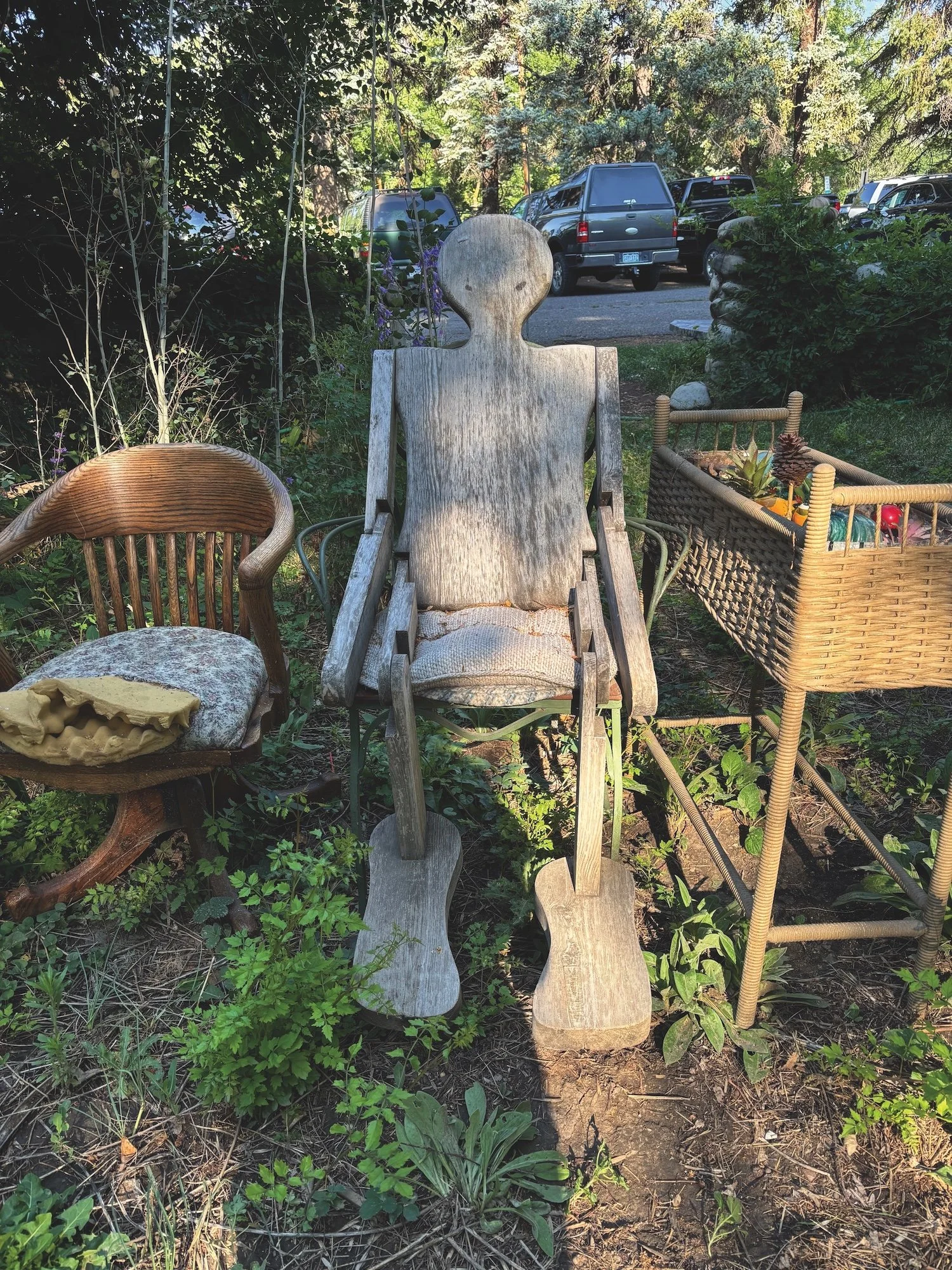
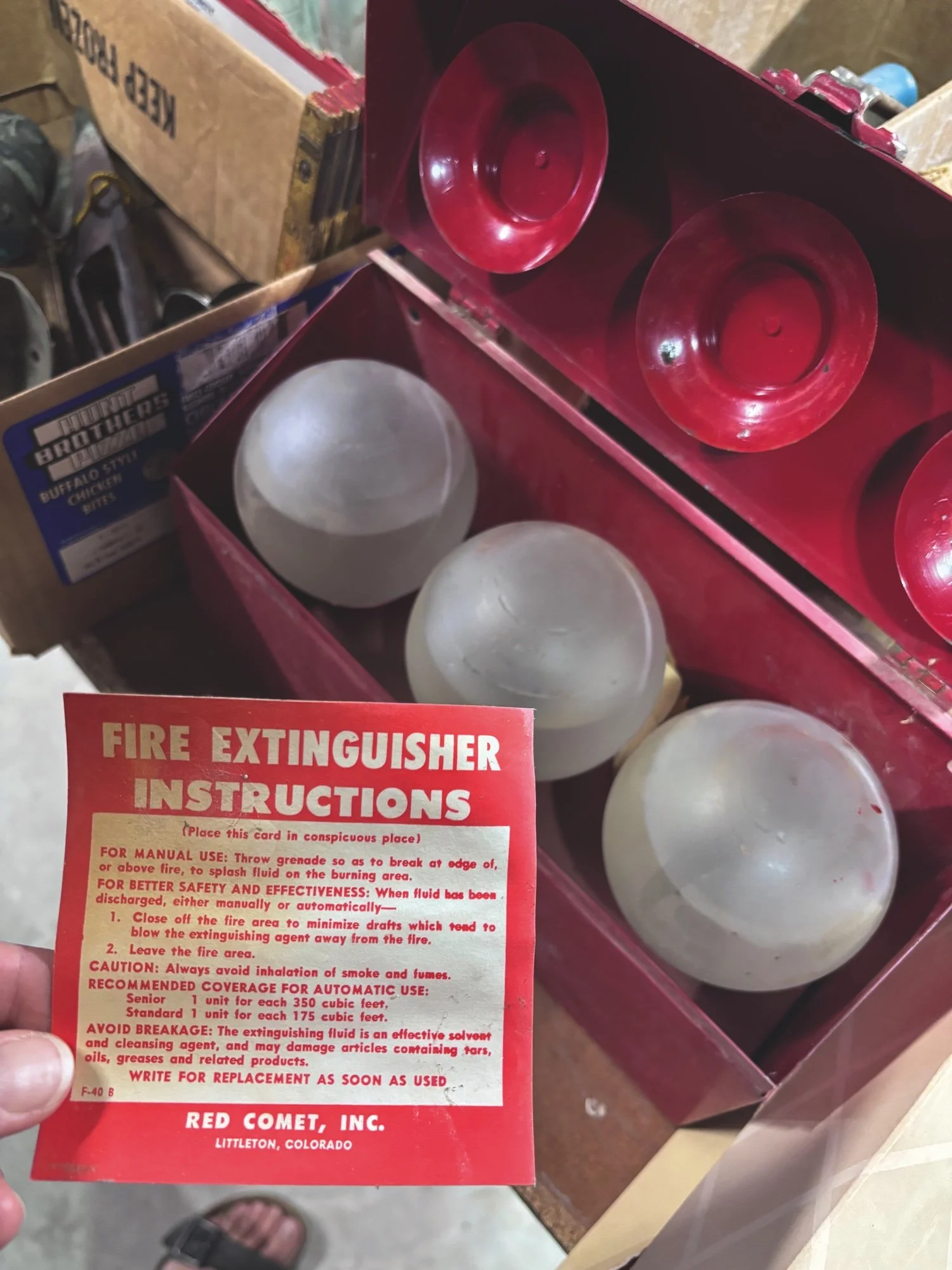
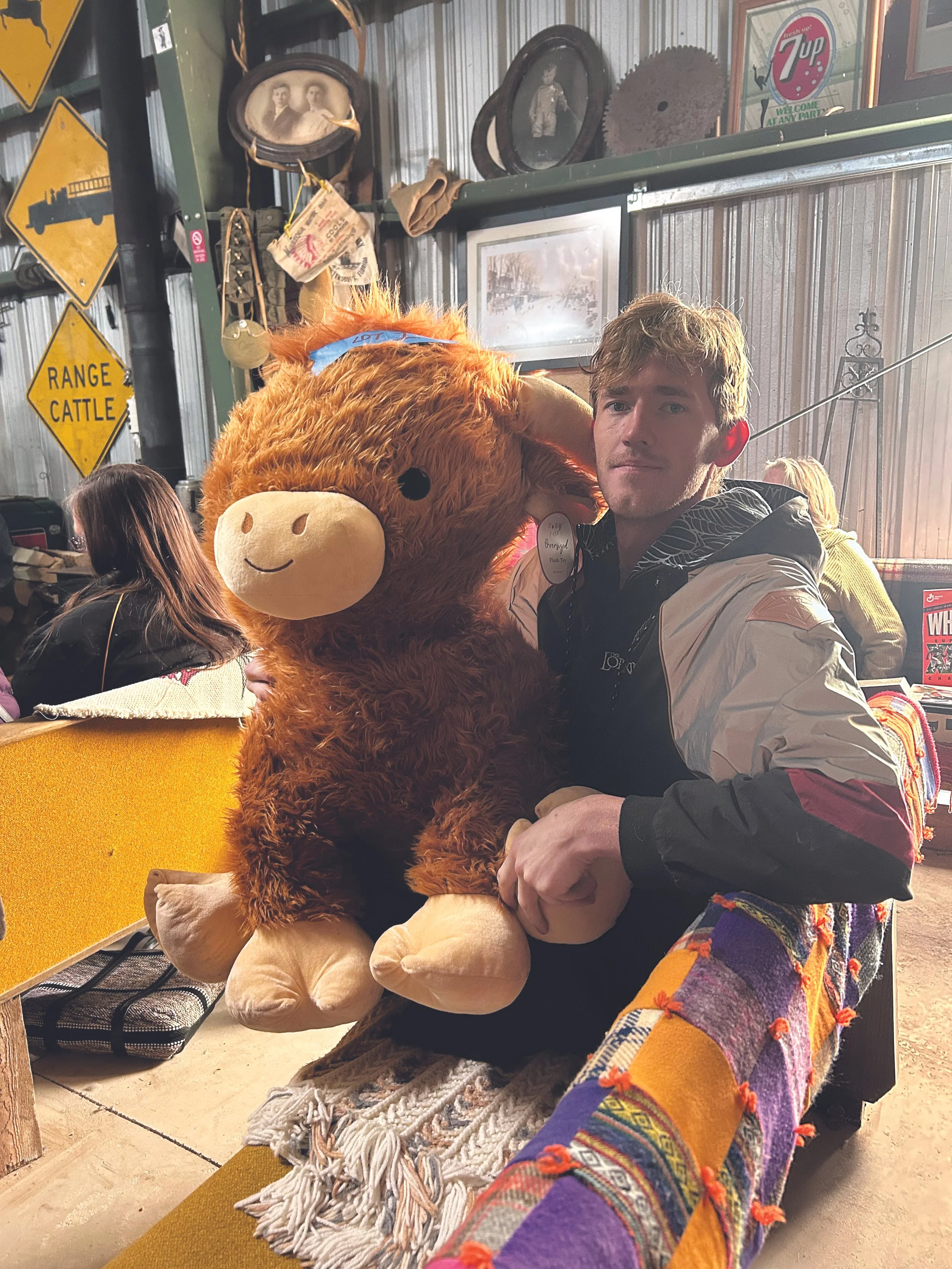
It’s a frosty Saturday morning inside a pole barn tucked in the hills near Paonia. Antique furniture crowds the walls, along with taxidermy, highway signs and vintage bikes. Soft light reflects off dusty gilt-edge mirrors. Card tables are piled with tools and records, cigar boxes filled with old brochures, tarnished belt buckles, Ziplock bags of doll parts and postage stamps. A lamp base made of petrified wood. A ceramic monkey smoking a cigar.
We’re settling in for a busy day at North Fork Auction, owned by Luke and Kelley McCrain and their sons Cole and Jace. Along with a dedicated crew, they have been cleaning up, consolidating and liquidating local estates — mostly through auctions — since 2012.
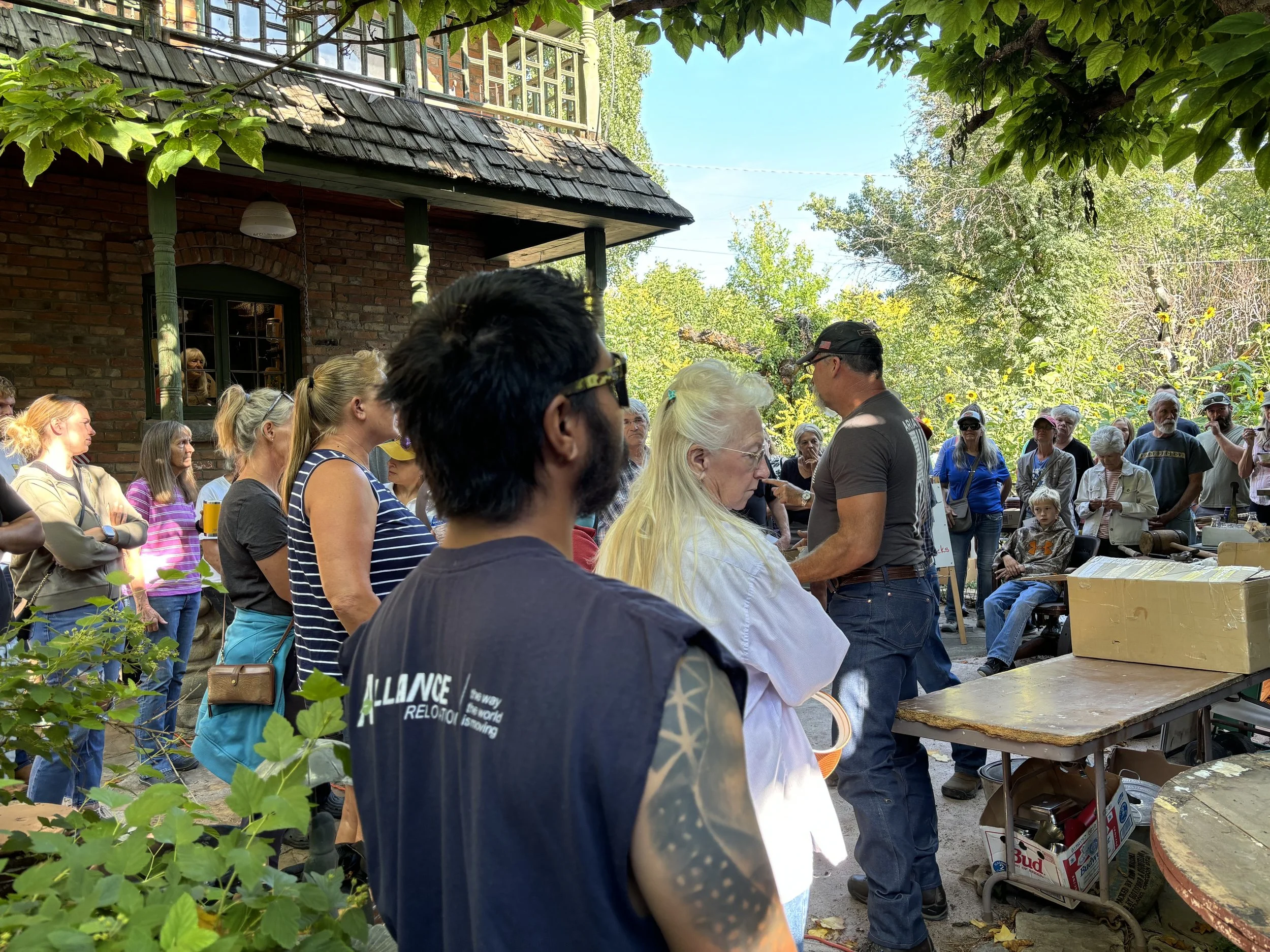
Inside the barn the wood stove is going and the McCrain boys are doing a brisk business selling breakfast burritos. Friends gossip around old church pews draped with faded quilts. Anticipation fills the air mixed with the scent of wool, old paper, two-cycle oil and a whiff of nostalgia. Steam rises off hot coffee in foam cups. Right at 10 a.m., Luke hustles the crowd inside with some good-natured ribbing, the auctioneer checks his mic and bidding begins.
Sometimes it starts slow, the auctioneer using his chant to warm people up and get bids flowing. As competition builds, more and more bidders want a piece of the action. The auctioneer keeps his rhythmic call rolling, ring men pointing and yelling out “yep,” tracking buyers raising numbers around the room. Tension rises as the numbers climb higher until there’s a pause before the auctioneer finally yells “SOLD” and we’re on to the next lot.
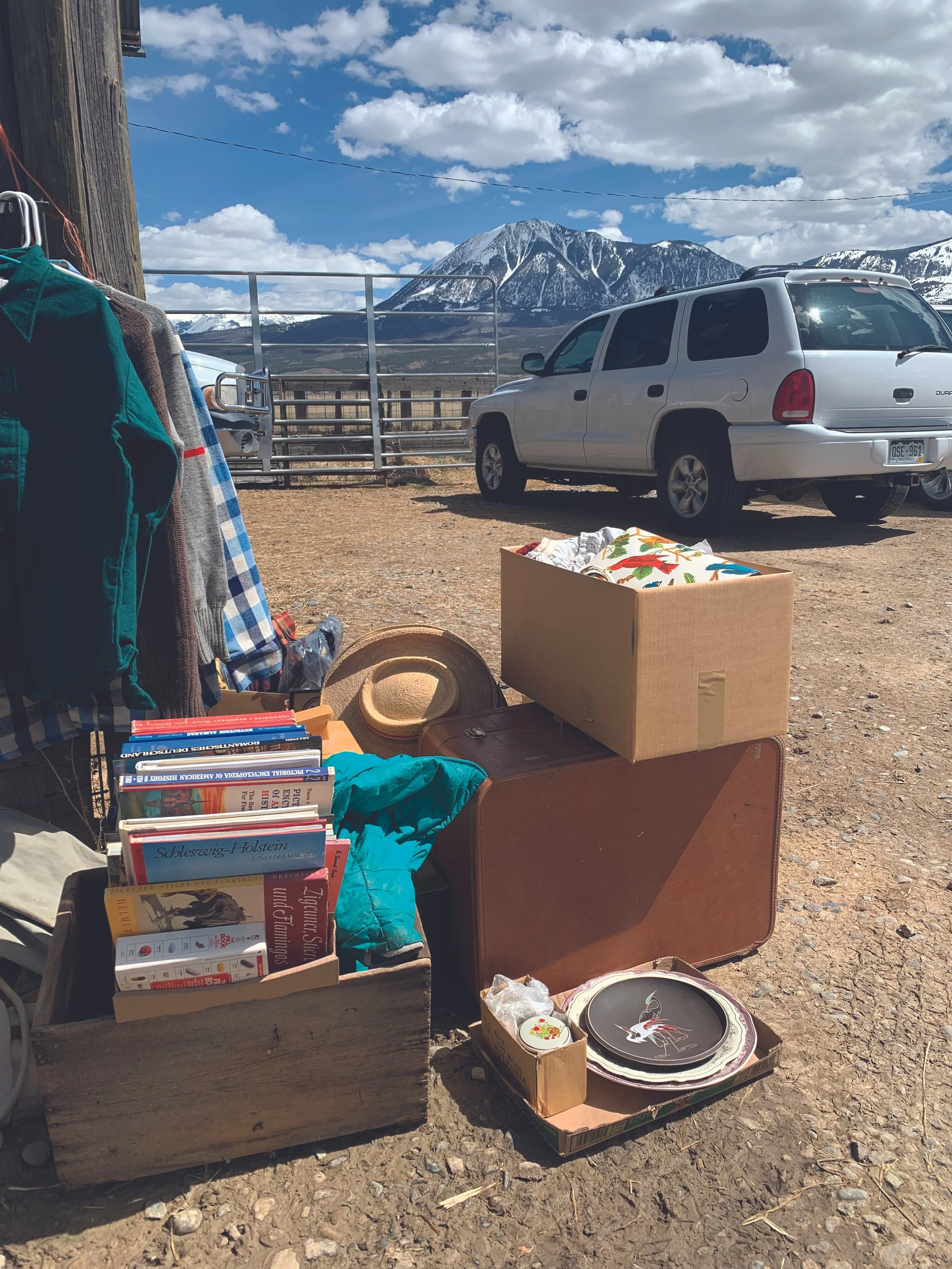
You can bid on anything at auctions. Pristine vintage Airstreams to tiny hidden treasures in the bottom of box lots. Check those boxes carefully — you never know when you’ll find that perfect textile (like old feedbag dresses) or some actual gems mixed in with dusty costume jewelry.
Calvin Story of Durango’s Treasure Auction Service says a good auctioneer can sell anything. “I sold an entire bowling alley once. Pins, balls, lanes, everything,” he shares. With over 40 years in the business, Story has seen it all — from a man buying a truck with oatmeal containers full of $100 bills to a gun auction that helped nab a felon. Across the Western Slope, these sales are a chance to tap into the community and occasionally, someone walks out a legend.
The McCrains share that same philosophy. “When a customer says ‘sell it all,’ we do. One time, we sold dirty dishes right out of the kitchen sink,” Luke says. No matter what you’re looking for, you’ll find it at an auction.
BEFORE THE BIDDING
Back in 1996, Jill Herbert perfected her auction chant by listening to a $100 instructional tape she ordered from the Missouri Auction School. She was running a consignment business in Rifle and her auctioneer pulled a no-show. Herbert decided to do the job herself. “I listened to that tape driving down the road and learned how to chant. Then I decided I better actually go to the Missouri Auction School. I went, graduated, and the rest is history,” she says as the founder of Boots N Laces Auctioneering.
Chanting is only a fraction of the job; at heart, this is an intimate business. For sellers, the grief of loss, compounded by paperwork and legalities, can be overwhelming. “It’s so important that we honor that person’s life,” Kelley says. “You have all their possessions spread out — private things made public. It’s an honor to help people tidy things up at the end.”
WHERE EVERYBODY KNOWS YOUR NAME
Every auction company cultivates their own style and a loyal tribe of regulars. Herbert doesn’t have an auction barn of her own, but travels with her loyal and hard-working team to farms, ranches and estates for on-site auctions. “I have regulars that are like, ‘we don’t care what she’s selling. We’re going.’”
The McCrains knew they wanted to do more than just buy and sell stuff. “We wanted it to feel like Cheers,” Kelley says, “a place where everybody knows your name.”
Luke went to auctions growing up in Paonia. “We’d go down there as kids and buy a bike for $5,” he recalls. Auctions came and went in Paonia over the years. For a while there wasn’t an auction scene at all. “At our first auction, people came in and said, ‘I haven’t seen you since the last auction,’” Kelley says, delighted to return that outlet to the community. “We started it out for financial reasons, but money isn’t the priority. Meeting people, keeping the family involved, that’s what’s important.”
“People love coming to auctions because they want to see their friends and make new friends where everybody’s gathered,” Herbert says.
There’s a feeling that you’re part of something bigger at an auction. On the surface it’s about liquidating assets, but dig deeper and you realize that you’re honoring someone’s life in a uniquely American way.
COME FOR ONE THING, LEAVE WITH ANOTHER
Auctions swap the slow browse of a garage sale for a casino-like rush. Locking in on a “must-have” treasure is like watching a roulette wheel spin; you’re just one bid away from hitting the jackpot, and it’s that tension that keeps you in your seat. You never know where that ball will drop.
Back at North Fork Auction, we’re settled into the rhythm of the day. People are piling up treasures, early birds are loading out and the patient faithful are waiting for the tail end of the sale where you can find some real hidden gems.
Niki Richardson of Hotchkiss went to her first auction at the McCrain’s a few years ago. “It was intimidating at first, but now I love it,” she shares. Her favorite auction buy? Two hubcaps for her mom’s vintage Volkswagen Bug. “Two of my mom’s original Bug hubcaps had been stolen years ago, and there were the two replacements! I’ll never know the whole story, but now this set is complete.”
It’s a mixed crowd at the auction. Young and old, people on their own, couples, families with kids, even a couple small dogs tucked inside sweaters. Kelley jokes, “We’d prefer if married couples didn’t come together, they kind of hold each other back.”
Sometimes the bidding gets heated, but at this small-town auction where almost everybody knows your name, it’s all good natured. If you’re intimidated about buying at an auction, don’t be.
“Just jump in and enjoy it,” Kelley says. “Be open — you might come for one thing and walk away with something unexpected.” The McCrains still talk about the old sewing basket from a household clean-out. Inside were some wooden spools wrapped in paper and secured with rubber bands. Kelley remembers handling the spools before setting the basket aside. “We sold that basket for $5 or whatever,” Kelley says. “At some point, the buyer comes running up and says, ‘Kelley, you won’t believe it, there was $800 in bills wrapped up under that paper!’”
In the end, auctions remind us that that value is always in the eye of the bidder. Whether it’s a bowling pin or a belt buckle, everyone leaves with a reminder to never judge a book — or a property — by its cover.
LOCAL AUCTION HOUSES
If you’re ready to experience the Western Slope auction scene, start with these local family-run operations:
Boots N Lace Auctioneering
Grand Junction, CO
970.241.1743
bootsandlaceauctioneering.com
North Fork Auction
Paonia, CO
970.209.0910
northforkauction.net
Treasure Auction Service
Hesperus, CO
970.385.4273
treasureauctionservice.com
AUCTION “HOW-TO”: A SURVIVAL GUIDE
BEFORE THE BIDDING
Plan Ahead
Most auction teams promote events in advance. Using promotional photos to research value ahead of time is smart, especially if you’re headed out to a remote location that might not have Wi-Fi or a signal.
Arrive Early
Set your alarm clock! Popular spring and summer auctions can get crowded. Give yourself time for parking and a solid preview.
Register
Sign in and grab a bidder number (usually a small cardboard sign). While you can bid with a nod or just by raising your hand, having your number ready makes the clerk’s job much easier.
Research
Use the preview to look up values online or check for damage. Check if there is a Guarantee (a minimum bid the seller must meet to sell the item). Go through any box lots you’re interested in and be ready to recognize them if they come up as part of a buyer’s choice situation. No moving around items into different boxes. This kind of “cherry picking” is illegal. Auction teams put boxes together to create value — don’t tamper with the collections.
DURING THE ACTION
The Opening
The first price the auctioneer calls isn’t always the lowest bid. If no one bids, breathe deep and hold tight. They may drop the price until someone starts the bidding.
The “Choice” Rule
If the auctioneer says some version of “choice of the table,” the high bidder gets to pick one (or more) items from a group. Say you want three different items — you pay your winning bid amount multiplied by three. Auctioneer teams may consolidate single items into a group to encourage bidding. Be ready to take it all!
Stay Focused
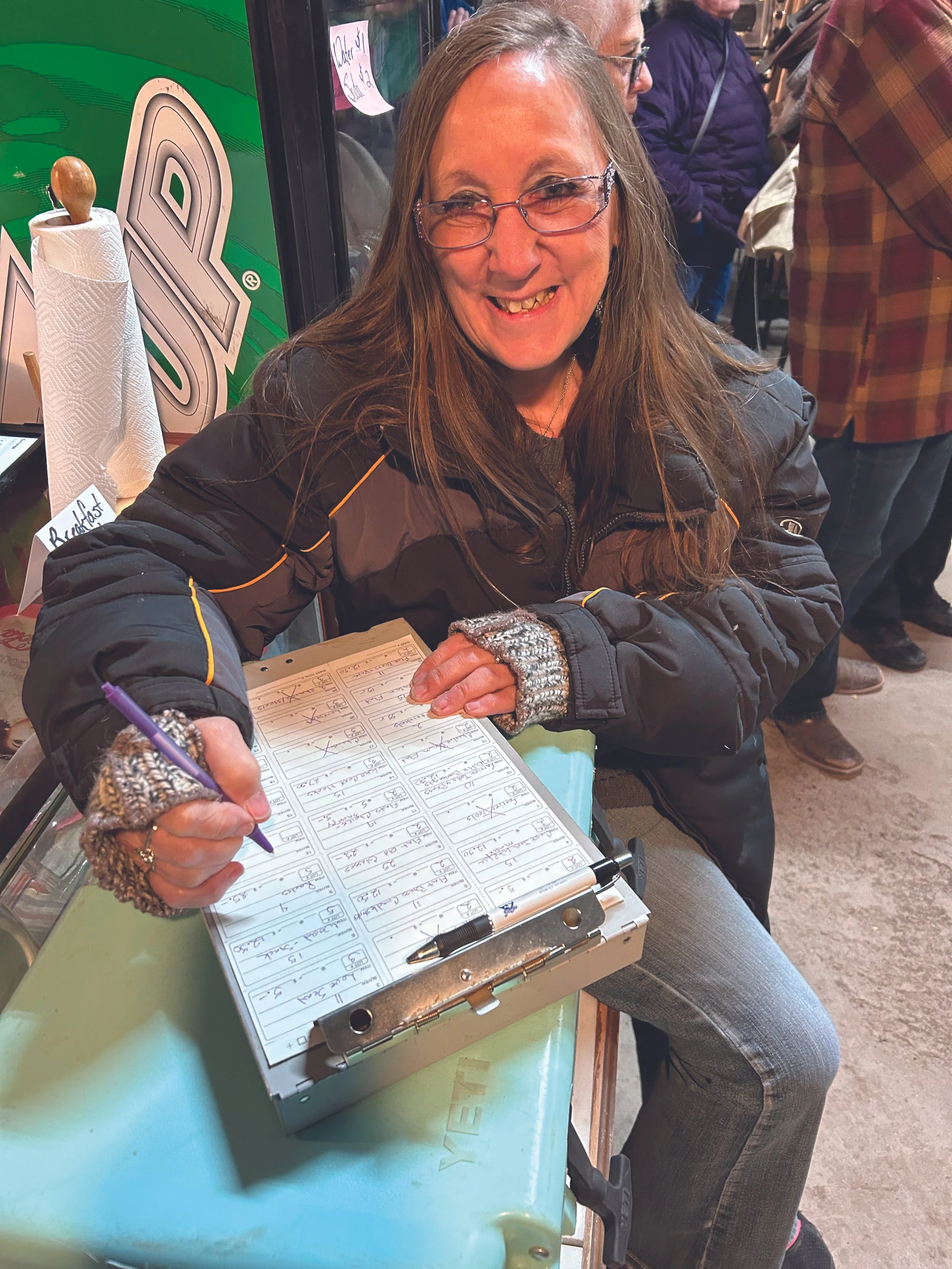
Things move fast. Use a notebook to track your successful bids and lot numbers so you don’t lose track of your budget or your haul.
Bring Supplies
Be ready for a long day. Pack water, snacks and maybe a chair (if you don’t plan to buy one!). Most sales have an outhouse, but don’t miss a treasure because you were looking for a coffee.
CASHING OUT
Be Patient
It takes time for paper slips to travel from the floor to the cashier. Remembering the last item you bought helps the cashier wrap up.
Clarify Payment
Understand if they prefer cash, check or card. If you are planning to buy a vehicle or a firearm, ask about specific title transfers and regulations.
Load Out
Most teams expect you to take your treasures home that same day. Bring a truck if you’re planning on a big haul.
The Parking Lot Side-Hustle
If you win a “box lot” and only want one item inside, you might find another bidder willing to buy the leftovers for $5 or $10 right there. Just check with the auction house first — most auctioneers don’t mind but it doesn’t hurt to ask.
THE STANDARD FLOW FOR EVERY ITEM THAT CROSSES THE BLOCK
The auctioneer identifies the lot and highlights any special features.
The auctioneer suggests a high starting price or notes if there is a guarantee. If no one bids, they lower the price until someone jumps in.
Once the first hand goes up, the price climbs in set increments (e.g., $5, $25 or $100 jumps).
When bidding slows, the auctioneer gives a “warning” (“Going once, going twice ...”).
Hammer time! The auctioneer calls “SOLD.” The clerk or recorder notes your bidder number, and the next item for bid immediately comes up.
TAKING IT TO THE NEXT LEVEL
Here are a few strategies to try once you’re comfortable bidding.
Bid Jumping
When you place a bid much higher than the current increment (e.g. offering $100 when the bid has moved from $10 to $20 to $30) — a boss move used to establish your intent and end the bidding quickly.
Lighthouse Bidding
When you keep your number or hand raised throughout the bidding process. Another gentle intimidation tactic that shows the other bidders you are serious about winning.
Cutting or Peeling the Bid
In higher dollar situations, you can try and reduce the incremental increase. For example, the bid moves by $50 from $200 to $250 but there are no takers. You can signal that you are willing to go higher, but not by the full amount requested. You might shout out “$225!” Give it a try — it’s up to the auctioneer whether they accept the bid or not.
Originally published in the spring 2026 issue of Spoke+Blossom.